Wood Rot Removal in Littleton, CO
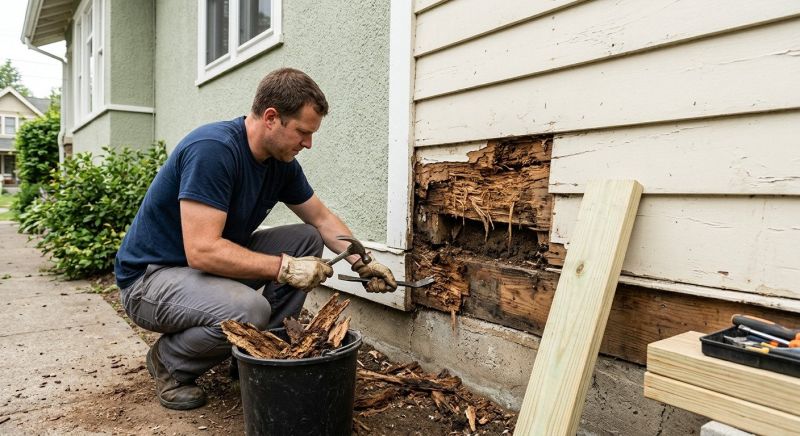
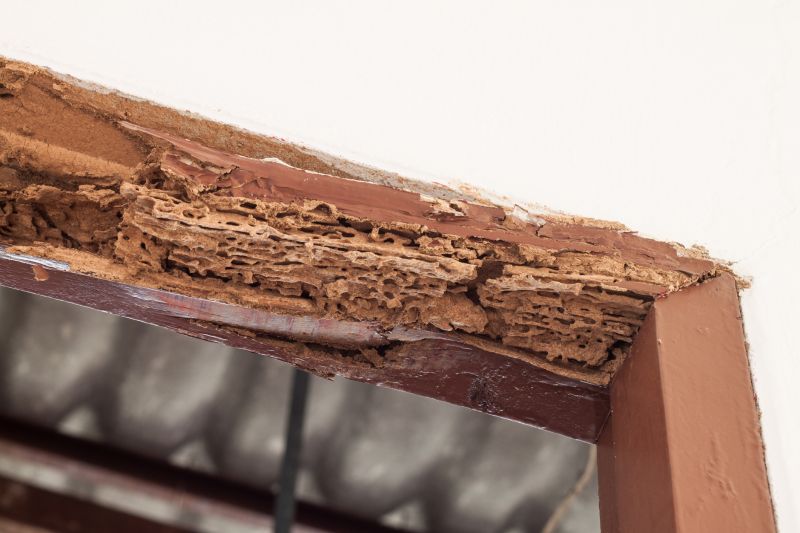
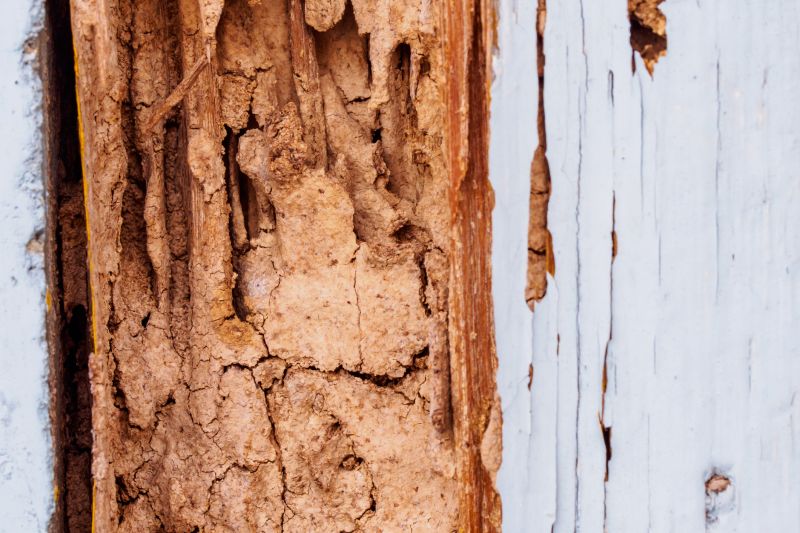
Wood rot removal services focus on identifying and eliminating decayed wood caused by moisture, fungi, or pests that threaten the structural integrity and appearance of a property. These projects often involve inspecting areas such as decks, fences, window frames, siding, and porches to determine the extent of damage. Property owners typically want to understand the scope of the damage, the methods used to remove affected wood, and the options for repairing or replacing the compromised materials to restore safety and durability.
Before requesting wood rot removal, homeowners should consider the severity and location of the damage, as well as any underlying moisture issues that may contribute to ongoing decay. It’s important to ask about the process for removing and replacing damaged wood, the materials used for repairs, and any recommendations for preventing future rot. Clear communication about the condition of the affected areas can help ensure the project addresses both immediate concerns and long-term preservation of the property.
Many property owners in Littleton, CO look into Wood Rot Removal for repairs, replacements, upgrades, and appearance-related improvements.
Identifying Wood Rot
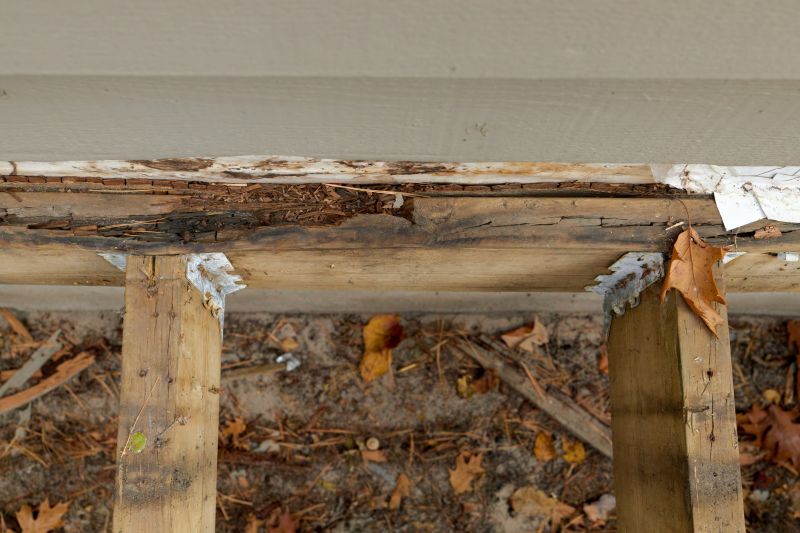
Understanding signs of wood decay helps protect structures from further damage.
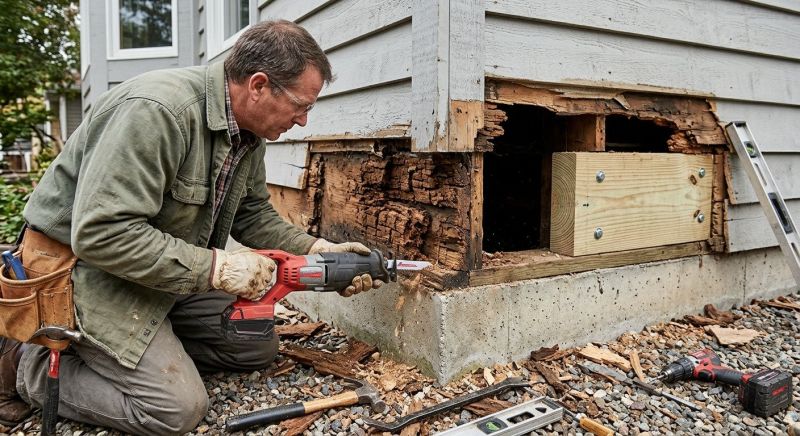
Common Causes Of Wood Rot
Excess moisture, poor ventilation, and wood contact with soil are typical contributors.
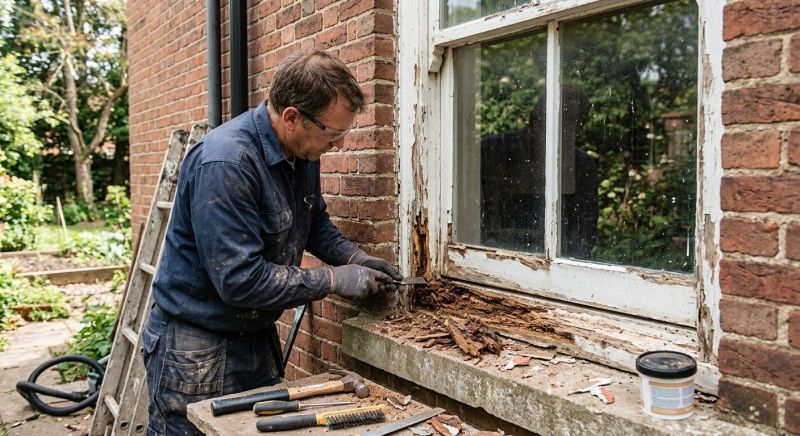
Preventive Maintenance Tips
Regular inspections and prompt repairs can extend the life of wooden features on your property.
Wood Rot Removal in Littleton, CO
Wood rot removal services focus on identifying and eliminating decayed wood caused by moisture, fungi, or pests that threaten the structural integrity and appearance of a property. These projects often involve inspecting areas such as decks, fences, window frames, siding, and porches to determine the extent of damage. Property owners typically want to understand the scope of the damage, the methods used to remove affected wood, and the options for repairing or replacing the compromised materials to restore safety and durability.
Before requesting wood rot removal, homeowners should consider the severity and location of the damage, as well as any underlying moisture issues that may contribute to ongoing decay. It’s important to ask about the process for removing and replacing damaged wood, the materials used for repairs, and any recommendations for preventing future rot. Clear communication about the condition of the affected areas can help ensure the project addresses both immediate concerns and long-term preservation of the property.
Many property owners in Littleton, CO look into Wood Rot Removal for repairs, replacements, upgrades, and appearance-related improvements.
Common Wood Rot Removal Jobs
Wood Rot Repair - involves replacing or treating decayed wood to restore structural integrity.
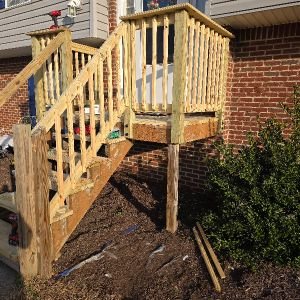
Deck and Porch Restoration - addresses rotted support beams, joists, and railings to ensure safety.
Siding and Fascia Repair - removes damaged wood siding and fascia boards affected by rot.
Window and Door Frame Replacement - replaces rotted frames to improve energy efficiency and security.
Roof and Eaves Repair - removes rot from eaves and soffits to prevent further damage.
Structural Support Reinforcement - strengthens compromised wood components to maintain building stability.
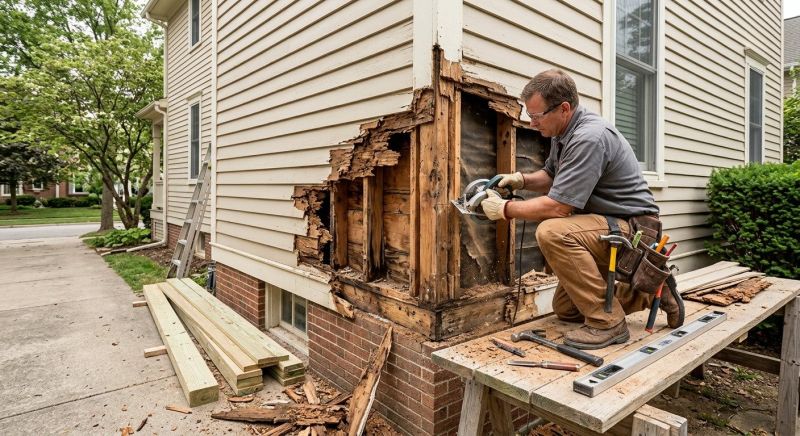
Wood Rot Removal Questions
What causes wood rot in properties? Wood rot is typically caused by prolonged exposure to moisture, which promotes fungal growth and decay in wooden structures.
How can I tell if my wood has rot? Signs include soft or crumbling wood, discoloration, and visible mold or fungus growth on wooden surfaces.
What types of wood are most susceptible to rot? Softwoods like pine, cedar, and fir are more vulnerable to rot compared to hardwoods.
Is removal necessary for all wood rot issues? Removal is recommended when rot has compromised the structural integrity of the wood or if mold is present.
Request Wood Rot Removal in Littleton, CO
Use the quote form on this page to share the basics of your project and request more information for the type of work you need.